Category: Uncategorized

  • Why AI × Healthcare Is the Most Interesting Place to Build Right Now

    Why AI × Healthcare Is the Most Interesting Place to Build Right Now

    Why AI × healthcare is the most interesting place to build

    I have an unusual background for a marketer: half my degree was economics, the other half was nutritional biochemistry and metabolism. For a while I treated those as separate interests. Now they have collided — and the collision is the work.

    Two of the fastest-moving forces on earth are converging: artificial intelligence and human health. Most people can speak to one. The interesting, uncrowded work lives where they overlap. On the Rising Talent tape I said the end goal, for me, is access: regular people using these technologies without paying an arm and a leg, and catching chronic disease earlier.

    What I am watching

    Patient education is about to get personal. Generic brochures are giving way to content that adapts to the person reading it. For anyone marketing in health, that is a once-in-a-generation shift in how trust gets built.

    Trust is the bottleneck, not technology. Healthcare moves slowly for good reasons — lives and regulation are involved. That caution looks like a barrier, but it is really a moat: the players who earn trust thoughtfully will be hard to displace.

    The longevity conversation is going mainstream. The science of living longer and healthier is moving from the fringe to the front page. The marketers who can translate that science into something honest and clear will own the conversation.

    I do that translation at Health Action Council during the workday. This site is the public record of how I think, not a second job listing. Related: GEO and the sourced bio.

  • How I Run My Work as a Second Brain: Obsidian + AI Agents

    How I Run My Work as a Second Brain: Obsidian + AI Agents

    How I run my work as a second brain: Obsidian + AI agents

    At DigiMarCon in Cleveland I spent more time than I expected showing people what was on my screen: my Obsidian vault. People kept asking, so here is the short version of how I actually work. The longer origin story is the Cleveland lunch piece.

    The “second brain” idea is not new — capture what you learn, connect it, reuse it. What is new is that AI agents now do the connecting and reusing for me.

    The setup, simply

    Capture everything in one place. Articles, meeting notes, half-formed ideas — they all land in one vault instead of scattering across ten apps. The friction of “where does this go?” is what kills most note systems.

    Link, don’t file. Instead of burying notes in folders, I connect related ideas to each other. Over time the vault becomes a map of how I think, not a filing cabinet I never reopen.

    Let agents do the synthesis. This is the part that changed the work. I point AI agents at my notes to draft summaries, surface connections I had forgotten, and turn raw capture into something usable. I stay the editor; the agent does the busywork.

    The mistake to avoid

    Most people treat AI like a vending machine — type a prompt, take the answer, move on. The real leverage is building a system the AI can work inside: your notes, your context, your judgment. The model is only as good as the brain you give it to read.

    That is also the AI Builder standard: agents with a job, evidence, and an approval boundary. If you want the same coaching path, AI Builder Spotlight is the front door.

  • Generative Engine Optimization: How to Get Cited When Search Becomes an Answer

    Generative Engine Optimization: How to Get Cited When Search Becomes an Answer

    Generative engine optimization: how to get cited when search becomes an answer

    For most of the last decade, the goal of search marketing was simple: rank on page one. The search box is turning into an answer box. Ask ChatGPT, Gemini, or Google’s AI Overviews a question and you do not get ten blue links — you get one synthesized answer, assembled from the handful of sources the model decided to trust.

    Generative Engine Optimization (GEO) is the work of becoming one of those trusted sources. It is where I spend much of my time at Health Action Council, and it has reshaped how I think about content. I am not going to invent a traffic percentage for this page. The method is the claim.

    What actually moves the needle

    Be unambiguous about who you are. Models cite sources they can attribute. A clear entity — a consistent name, bio, and structured data — makes you quotable. Anonymous content rarely gets pulled into an answer. That is why this domain exists, and why the spelling is Iltchev.

    Answer the question early. Generative engines favor content that states the answer plainly up front, then supports it. Burying the payoff under 800 words of preamble is an old SEO habit that hurts you here.

    Earn citations, not just links. The new currency is being referenced as the source of a claim. That comes from original data, real expertise, and saying something specific enough to quote.

    Structure everything. Schema, clean headings, and FAQ blocks help a model parse exactly what you are saying — and parsing is the first step to being cited.

    SEO asked, “How do I rank?” GEO asks, “How do I get quoted?” If you are producing content in 2026, that is the question worth obsessing over. Related: this site as the hub and the Rising Talent conversation.

  • Health, AI, and Who Actually Gets Access

    Health, AI, and Who Actually Gets Access

    Health, AI, and who actually gets access

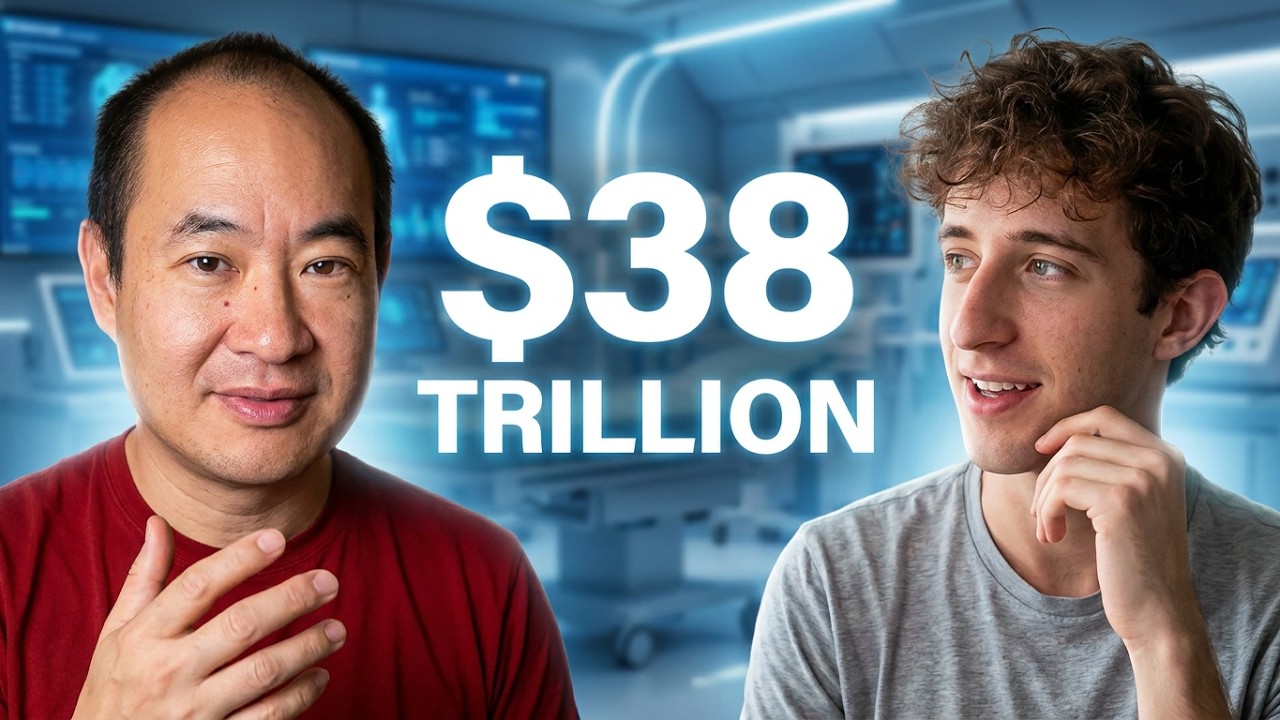
    On 28 June 2026 I sat down for Rising Talent. YouTube titled the episode Alex Iltchev on the $38 Trillion Future of Health & AI. That dollar figure is the show’s framing. I did not publish a $38 trillion study. What I did say, on a public English caption track, is the part I will stand behind.

    The host asked what excites me most about the future of health and AI. From the captions:

    Personally, I think it is just the ability for regular individuals, lower middle income individuals being able to access these technologies without paying an arm and a leg for them and hopefully live longer.

    That is the job as I see it: not a keynote slogan, not a private clinic pitch. Access. Catch chronic disease earlier. I also said I have always loved healthcare, that I studied biochemistry and economics, and that is why I work at a healthcare company now.

    Dennis Yu is on the tape. Near the end I told him I do not get these conversations often in Cleveland. That is true. It is also why this site exists — so the conversation is not trapped in a Zoom or a YouTube algorithm.

    Related: why I want to build on the health × AI seam, and how Cleveland led here.

  • My Website Is My Hub

    My Website Is My Hub

    My website is my hub

    Every post, every connection, every follower used to live on someone else’s platform — scattered, and rented. Now it all points to one place I actually own: alexiltchev.com. That is the difference between a list of links and a hub: Google and AI can read this page as me, so the work adds up.

    LinkedIn is /in/iltchev. The employer page is Health Action Council’s team listing. Dennis’s honor page is dennisyu.com/alex-iltchev. The builder network is aibuilderspotlight.com. Follow me anywhere; it should lead here.

    Want the same pattern? Local Service Spotlight builds entity homes. I am one example, not a forecast of what every builder will ship.

  • How a Lunch in Cleveland Turned Into a Vegas Invitation

    How a Lunch in Cleveland Turned Into a Vegas Invitation

    How a lunch in Cleveland turned into a Vegas invitation

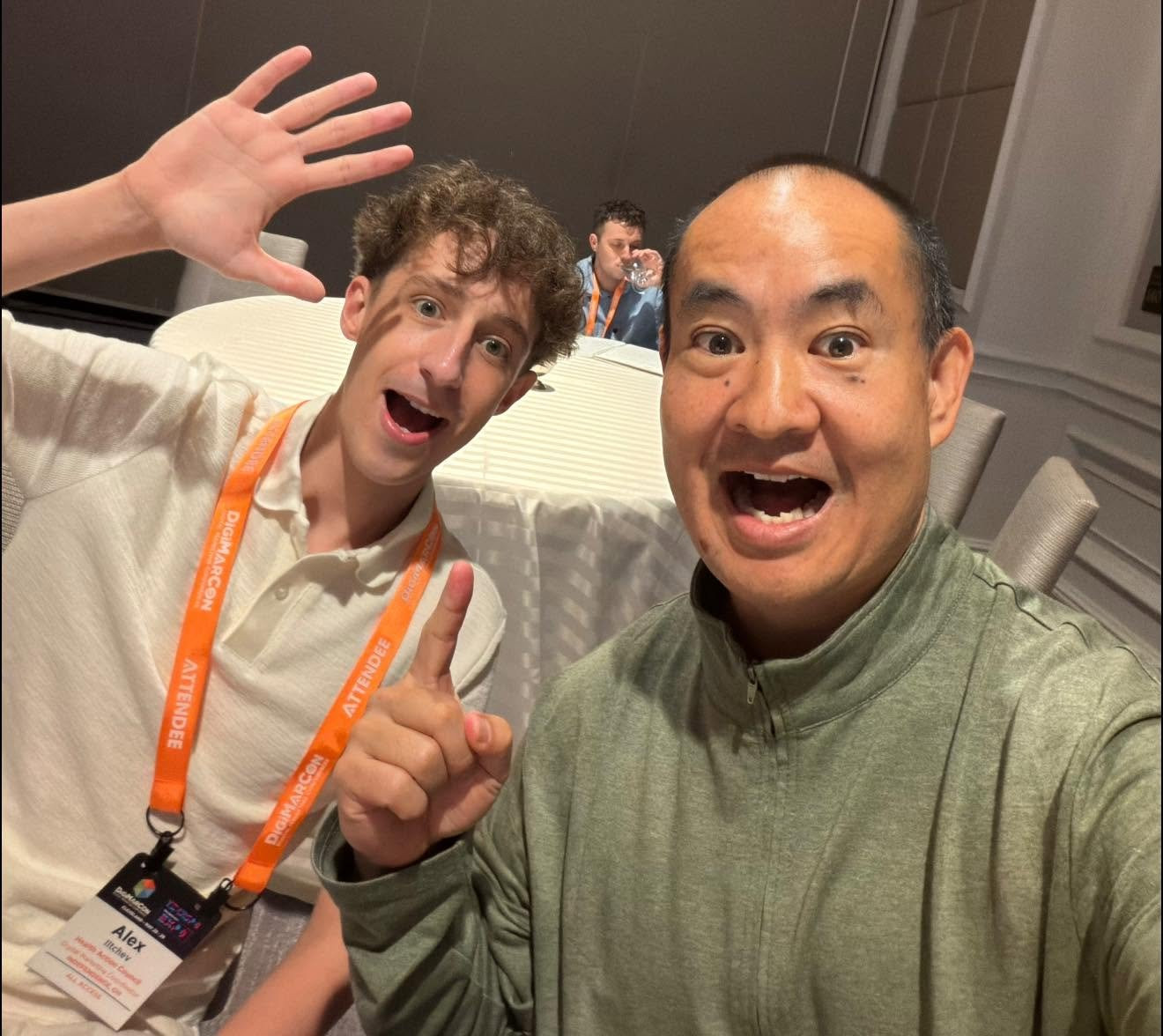
    Alex Iltchev and Dennis Yu at DigiMarCon Great Lakes in Cleveland. Alex wears an attendee badge for Health Action Council.
    Me and Dennis Yu at DigiMarCon Great Lakes in Cleveland. My badge said attendee. This is a phone selfie — it belongs in the story, not as a full-bleed homepage hero.

    I drove to DigiMarCon Great Lakes in Cleveland. I was not on the speaker list. The lanyard said attendee. I wanted two days of conversations about where AI and marketing are actually heading.

    What I did not expect was how much of my own time I would spend showing people the thing on my screen: the Obsidian vault I use as a second brain, wired to AI agents. One question became a walkthrough. Then lunch with Dennis Yu. We talked about how I use Claude day to day — agents on the busywork, me as the person who decides.

    By the end of lunch, Dennis asked if I would bring it to a bigger stage.

    That stage is DigiMarCon World in Las Vegas, 4–6 November 2026, Luxor. He invited me to share how I actually use Claude — the system, not a demo. I will update this page when I am on the official speakers list. Until then I will not call it a keynote. An invitation is not a listing.

    Dennis wrote his version at dennisyu.com/alex-iltchev-digimarcon-cleveland. Same lunch. Same photo.

    One of Dennis’s AI Builders

    I am part of a group of young builders Dennis coaches — people who ship, not just talk. My lane is healthcare and answer-engine work. If that is your world, start at AI Builder Spotlight. The longer program page is localservicespotlight.com/ai-builder-program.